
Insights & Knowledge HubLogistics
Strengthening Logistics Supply Chain Resilience
Discover strategies to enhance logistics supply chain resilience amid global disruptions. Improve your logistics planning and mitigate risks now.
TCSA Editorial28 October 2024 supply chain resilience, logistics strategies, global trade disruptions, inventory management, freight forwarding, risk management, carrier relationships
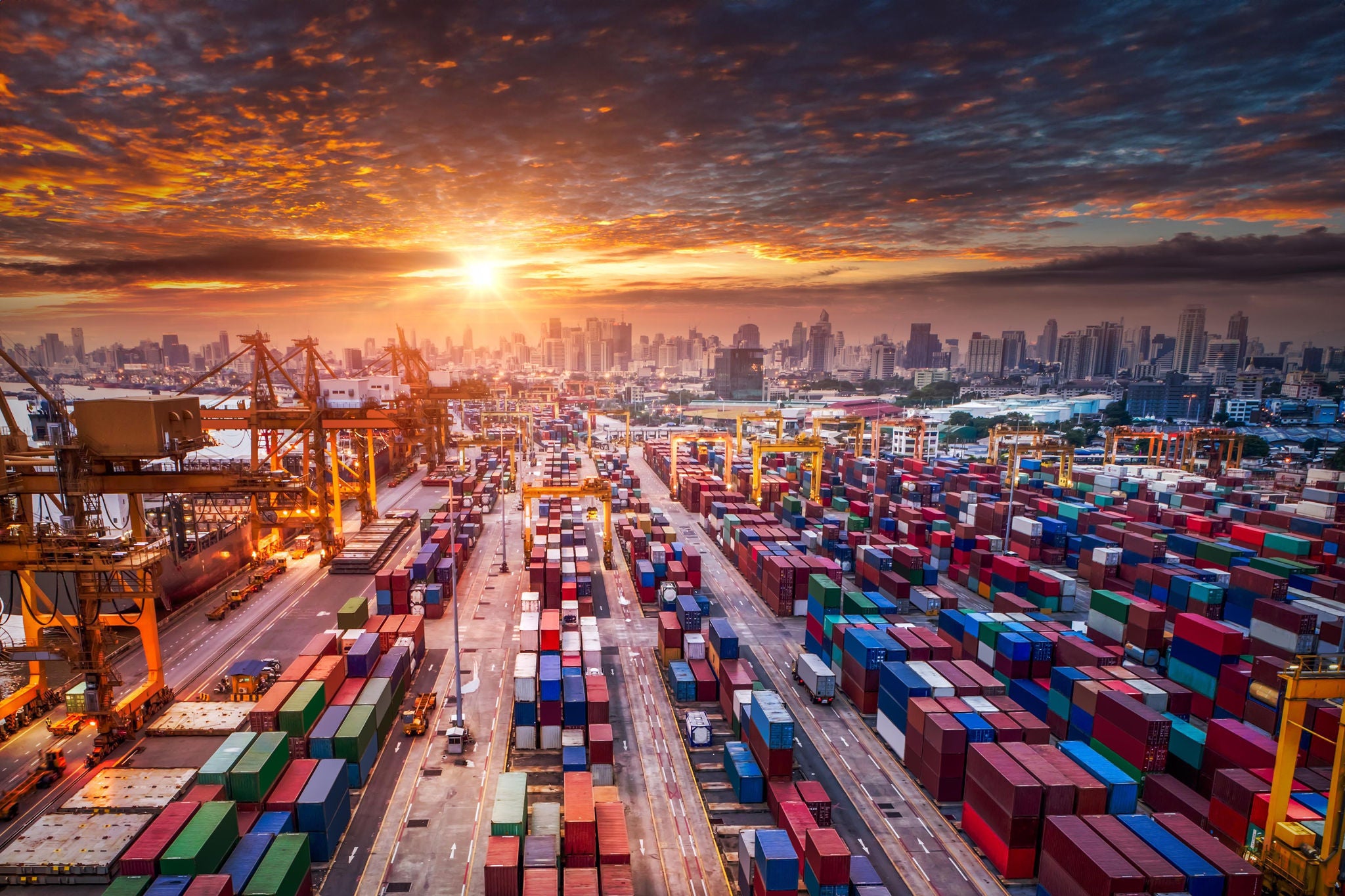
The period from 2020 to 2024 has been the most disruptive in the modern history of global supply chains. The COVID-19 pandemic, the Suez Canal blockage, port congestion crises, the conflict in Ukraine and its commodity market impacts, and most recently the Red Sea shipping disruptions triggered by Houthi attacks on commercial vessels have collectively stress-tested supply chain architectures that were designed for efficiency rather than resilience.
This analysis examines the key lessons from these disruptions and the resilience frameworks that have proved most effective.
The Cost of Disruption
Global supply chain disruptions between 2020 and 2023 cost the world economy an estimated $4 trillion in lost economic output, according to IMF analysis. For individual businesses, the costs have ranged from missed sales and production stoppages to inventory write-offs, emergency freight premiums and customer relationship damage.
The Red Sea Crisis: A Case Study
From late 2023 into 2024, Houthi attacks on commercial shipping in the Red Sea forced the rerouting of a significant proportion of Asia–Europe container trade around the Cape of Good Hope. The impact included:
- Transit time increases of 10–14 days per voyage on Asia–Europe routes
- Freight rate spikes of 200–300% for container shipping from Asia to Europe
- Port congestion in European ports as schedules disrupted
- Shortage of container equipment in Asian export origins as empties took longer to return
For importers and manufacturers dependent on Asian supply chains, the crisis exposed the fragility of just-in-time inventory models and the commercial risks of single-source supplier strategies.
Key Resilience Lessons
1. Diversify Supply Sources: The most resilient businesses had already begun diversifying their supplier base across multiple origins. Nearshoring — moving production closer to end markets — and friendshoring — sourcing from politically aligned countries — have both accelerated as strategic responses to disruption risk.
2. Hold Strategic Buffer Stock: The lean inventory model that underpinned global manufacturing efficiency for decades proved its limitations under pandemic and shipping disruption conditions. Businesses are now recalibrating their inventory strategies, accepting higher working capital costs in exchange for supply security.
3. Build Carrier Relationships: Businesses with strong, long-standing relationships with freight forwarders and carriers consistently reported better service continuity during disruptions. Sole-carrier strategies that prioritised short-term cost savings over relationship depth were exposed.
4. Invest in Visibility: Real-time supply chain visibility — knowing where goods are, what delays exist and what alternative routing options are available — proved decisive in crisis management. Businesses with modern visibility platforms were faster to identify problems and respond.
5. Scenario Plan: Businesses that had conducted supply chain disruption scenario planning before crises struck were better prepared in terms of both immediate response and strategic flexibility. Scenario planning should include major disruptions to key trade routes, key supplier failures and geopolitical shocks.
6. Understand Your Multi-Tier Supply Chain: Many supply chain failures during the pandemic originated not with Tier 1 suppliers but with Tier 2 and Tier 3 components. Mapping supply chains beyond the first tier — including understanding geographic concentration risks — is essential for meaningful resilience planning.
The Role of Trade Compliance in Resilience
Trade compliance intersects with supply chain resilience in important ways. Route changes, new sourcing origins and alternative freight modes all have customs and origin implications. A business that pivots its sourcing from China to Vietnam during a tariff escalation, for example, needs to understand whether its products still qualify for preferential origin under relevant FTAs.
Compliance infrastructure — robust classification records, up-to-date supplier declarations, flexible customs procedure authorisations — supports faster and more confident supply chain pivoting in crisis conditions.
Conclusion
The era of frictionless, low-cost global trade built on single-source supply chains and lean inventory is over. The resilience imperative — accepted theoretically for years but frequently deferred in practice — is now a commercial priority for businesses of all sizes. Investment in supply chain resilience: diversification, visibility, relationships and compliance infrastructure, is an investment in business continuity.
supply chain resiliencelogistics strategiesglobal trade disruptionsinventory managementfreight forwardingrisk managementcarrier relationships
Related Articles
Logistics
Global Freight Volatility: UK Trade Compliance
Analyzing the impact of volatile ocean freight rates on UK customs valuation and supply chain resilience during periods of trade instability.
LogisticsFreight Management Systems Trends for 2024
Discover essential trends in freight management systems for 2024. Optimize logistics strategies and technology today!