
The 2026 Logistics Landscape: Managing the New Normal
As of June 5, 2026, the international shipping community is navigating a complex web of logistical hurdles that have redefined the standard operating procedures for UK trade professionals. Recent data from the past seven days indicates a significant and sustained uptick in ocean freight spot rates, particularly on the Asia-to-Europe lanes. This volatility, reminiscent of the disruptions seen in earlier years, is being driven by a combination of geopolitical tensions in key maritime corridors and an unusually early surge in peak season demand.
Drivers of Current Market Volatility
The primary catalyst for the current rate hikes remains the prolonged diversion of vessels around the Cape of Good Hope. While initially viewed as a temporary measure, the 2026 maritime environment has institutionalized these longer routes due to persistent safety concerns in the Red Sea. This has effectively removed approximately 15% of global container capacity, creating a 'perpetual squeeze' that leaves the market highly sensitive to even minor fluctuations in demand.
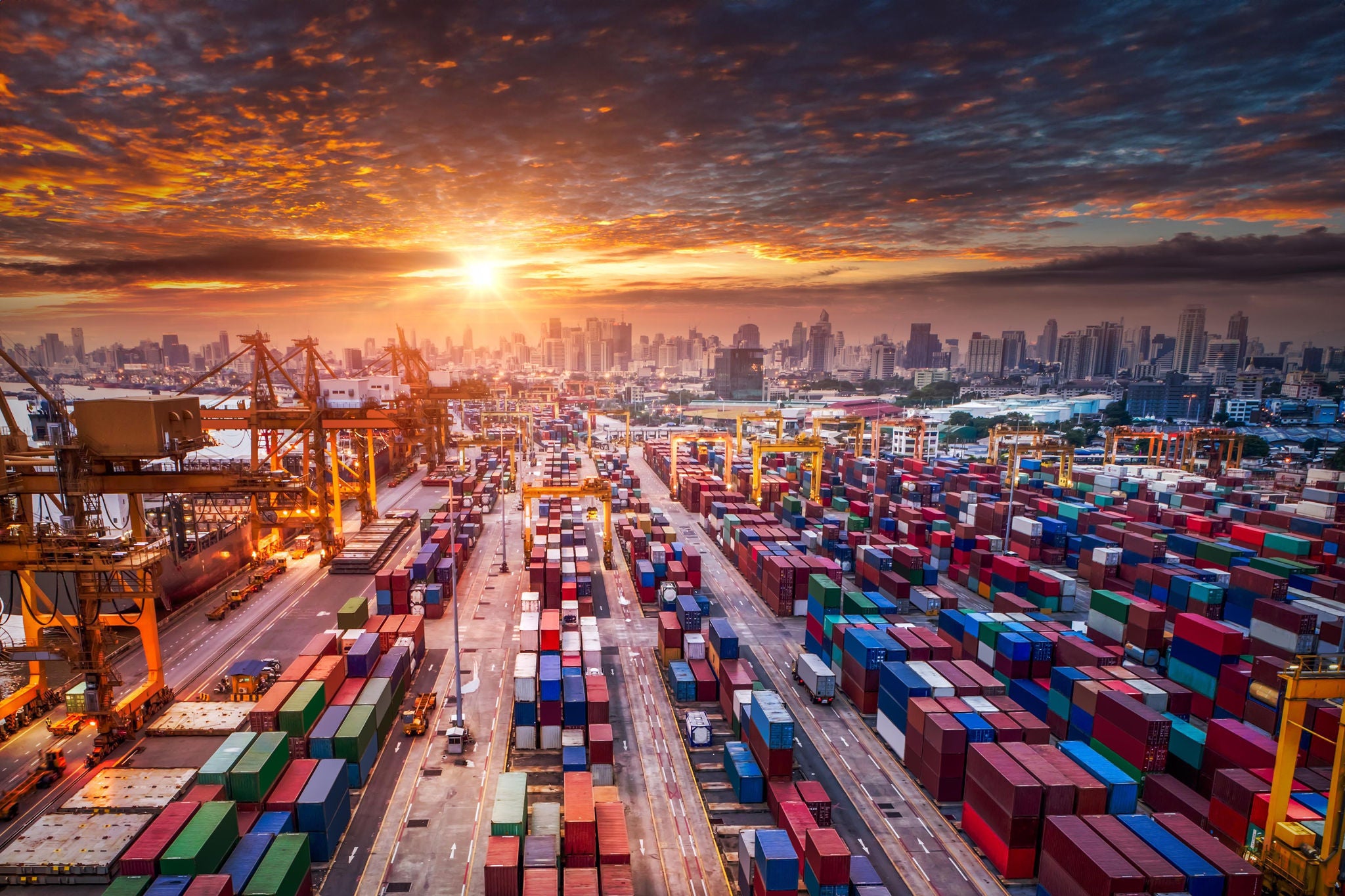
In addition to capacity constraints, we are seeing the impact of 'pre-emptive shipping.' Importers, wary of potential trade policy shifts and the upcoming final implementation phases of the UK Carbon Border Adjustment Mechanism (CBAM), are moving goods earlier than usual. This has led to reports of severe berthing delays at major UK gateways, including Felixstowe and London Gateway, and a shortage of empty equipment at inland Chinese hubs.
Strategic Implications for Trade Compliance
For TCSA members, these developments are not merely logistical headaches; they have profound implications for trade compliance and fiscal planning. The valuation of goods for customs purposes remains a critical area of focus. When freight rates fluctuate wildly, the 'Cost, Insurance, and Freight' (CIF) value used for duty and VAT calculations must be meticulously documented to avoid overpayment or, conversely, under-declaration and subsequent HMRC penalties.
- Enhanced Valuation Audits: Trade compliance managers should implement weekly reviews of freight invoices against customs declarations. In a high-rate environment, ensuring that you are not inadvertently paying duty on non-dutiable elements of the freight charge is essential for cost control.
- Classification Accuracy: With the rising cost of transport, the 'per-unit' impact of customs duties becomes more significant. Now is the time to conduct a full audit of your Harmonised System (HS) codes to ensure you are utilizing the most accurate and beneficial classifications available.
- Supply Chain Mapping: Understanding the origin of your freight—not just the goods—is becoming a compliance requirement. New environmental reporting standards necessitate a clear view of the carbon footprint of your logistics providers, adding another layer to the due diligence process.
Practical Steps for Logistics Professionals
To mitigate the impact of the current surge, freight forwarders and logistics planners should prioritize 'flexibility over fixedness.' This includes diversifying port entries to avoid the most congested UK hubs and exploring multimodal options. Short-sea shipping from Mediterranean hubs or the selective use of air-sea combinations for high-priority stock can provide the necessary agility.
Furthermore, the TCSA strongly encourages members to leverage their Authorised Economic Operator (AEO) status. In times of congestion, the priority treatment afforded to AEO-certified businesses can be the difference between a three-day delay and a ten-day backlog. The reduction in physical and document-based controls is a tangible competitive advantage in the current 2026 trade climate.
Conclusion
While the current spike in freight rates presents a significant challenge, it also offers an opportunity for trade compliance and logistics teams to demonstrate their strategic value. By integrating logistics data with compliance workflows, businesses can better navigate the uncertainties of the modern global supply chain. The TCSA will continue to monitor these developments and provide updated guidance as the situation evolves.