
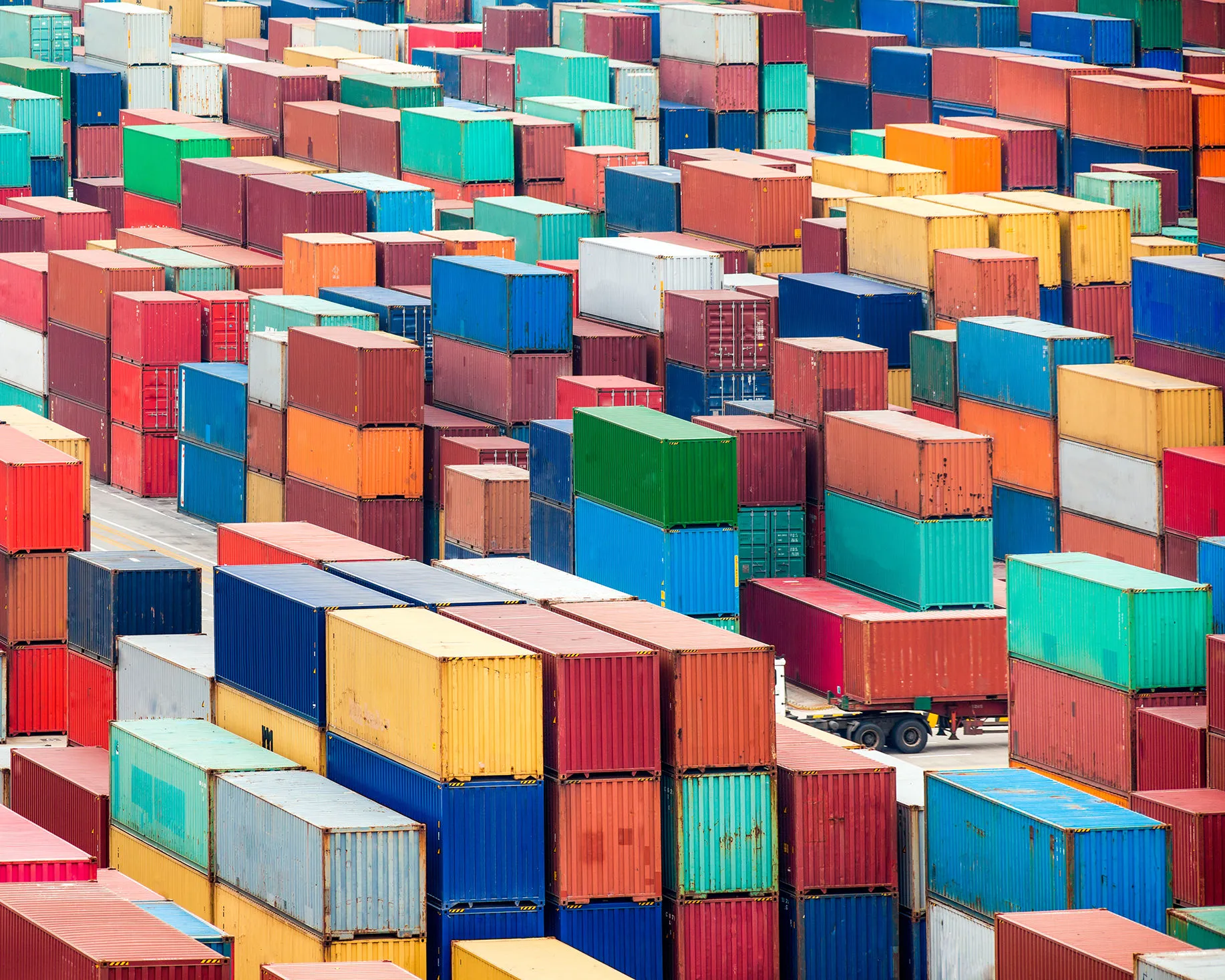
A consignment into New Zealand has to satisfy two separate assessments before it is released: a customs clearance and a biosecurity assessment. They are administered by different agencies, they answer different questions, and clearing one does not clear the other.
Two assessments, both required
New Zealand Customs deals with the entry of the goods: the declaration, the duty and the formalities around the movement. The Ministry for Primary Industries deals with biosecurity: whether the goods, and the material they are packed in, present a risk that has to be managed before they can be released.
Where goods are biosecurity risk goods, an import health standard applies. The standard sets out the conditions that have to be met for those goods to be imported, and it is the basis on which the biosecurity assessment is made. Food, plants and plant products, animal products, and used equipment and machinery are the categories where this most often matters.
Why the preparation happens before shipping
Biosecurity conditions are met either at origin or at the border, and the ones that can only be met at the border are the expensive ones. Where goods arrive with packaging that has not been treated, or with soil, plant material or contamination that has to be dealt with, the consignment is held while it is dealt with, and the cost of the hold is not recoverable from the freight rate.
Preparing the goods, the packaging and the documents before shipment is therefore not paperwork for its own sake. It decides whether the consignment is released on arrival or held.
What to establish before dispatch
- What the goods are, precisely enough to place them in the right category.
- What the goods are packed in, including pallets, crates and any timber packaging.
- Whether any machinery or equipment is used, and its cleaning history.
- Whether the goods have been treated, and whether there is documentation to evidence it.
- The port of arrival and the date of arrival.
Used machinery deserves particular attention. Condition and cleaning history affect what is required, and a machine described simply as used does not give enough information for the requirement to be established.
Where TCSA fits
TCSA reviews the requirement and confirms what is possible, who would carry it out and at what rate before anything is commissioned. Coverage for New Zealand is confirmed with your enquiry rather than assumed. The requirements themselves are set by the agencies that administer them, and nothing here is a ruling on your consignment.