
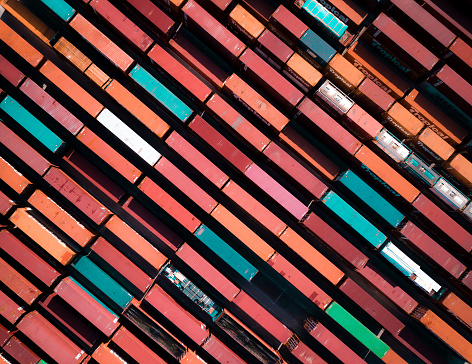
September 2026 marks the end of the regulatory grace period for unverified carbon data, as the first wave of EU-accredited verifiers begins operations this week. For Canadian exporters of steel, aluminum, and fertilizers, the transition from the transitional reporting phase to the definitive regime is no longer a future concern—it is a present financial reality. According to the European Commission’s latest update, the accreditation of these verifiers is the final piece of the infrastructure required to enforce the full financial weight of the Carbon Border Adjustment Mechanism (CBAM).
Since the definitive regime took effect on January 1, 2026, Canadian firms have been navigating a complex landscape of "Authorised CBAM Declarant" statuses and pending applications. The Canada Border Services Agency (CBSA) has noted an uptick in inquiries from domestic producers who are now required to provide granular, product-level embedded emissions data to their European partners. The stakes are high: without a valid CBAM account number or a pending application reference, EU customs authorities are now authorized to block the release of covered goods for free circulation.
The Shift to Mandatory Verification
Until now, many Canadian exporters relied on default values or internal estimates to satisfy reporting requirements. That window is closing. The launch of accredited verifiers means that all CBAM declarations must now be accompanied by a verification report issued by an independent, accredited body. This requirement covers direct emissions from production and, crucially, indirect emissions from electricity and energy consumption during the manufacturing process.
For trade compliance professionals, this adds a significant layer of administrative burden. The application process for authorized status can take up to 120 days, and in complex cases involving multi-stage manufacturing, the review period may extend to 180 days. Importers who failed to secure this status in early 2026 are already reporting significant delays at major EU ports like Rotterdam and Antwerp.
The Canadian Domestic Response
While the EU CBAM is the immediate hurdle, the CBSA and the Department of Finance are moving closer to a domestic equivalent. Building on the 2024 Fall Economic Statement, the Canadian government is currently refining its own Border Carbon Adjustment (BCA) framework. This domestic mechanism aims to protect Canadian industries—such as the heavy manufacturing sectors in Ontario and Quebec—from "carbon leakage" caused by imports from jurisdictions with less stringent environmental regulations.
The CBSA is expected to play a central role in the enforcement of a Canadian BCA, likely utilizing the existing Integrated Import Declaration (IID) system to collect emissions data at the point of entry. Trade professionals should anticipate new document codes, similar to the EU’s "Y-codes," to be integrated into the Customs Commercial System (CCS) in the coming years. Specifically, codes like Y128 for authorized endorsers and Y238 for pending applications are already becoming standard in transatlantic trade documentation.
What this means for you
- Audit your EU partners immediately: Confirm that your European importers have secured their "Authorised CBAM Declarant" status. If they are operating under a pending application (Code Y238), ensure they have the necessary reference numbers to avoid cargo holds at the border.
- Secure a third-party verifier: With the first wave of verifiers now accredited, book your emissions audits for the Q3 and Q4 2026 reporting periods. The demand for these specialized services is expected to outstrip supply by the end of the year.
- Update your customs software: Ensure your trade management systems are updated to include mandatory fields for embedded emissions (direct and indirect) and the new EU document codes. Failure to include these in the electronic data interchange (EDI) will result in immediate rejection by EU customs systems.
- Prepare for Canadian domestic shifts: Review the CBSA’s recent trade compliance verification priorities. While the Canadian BCA is still in the consultation phase, the agency is already increasing its focus on the accuracy of country-of-origin and HS code classification for carbon-intensive goods.
The global trade environment is no longer just about the movement of goods; it is about the movement of data. As Canada continues to harmonize its trade policies with the EU to maintain market access, the role of the customs broker is evolving into that of a carbon auditor. Staying ahead of these verification deadlines is the only way to ensure that Canadian products remain competitive in a decarbonizing global market.