UK trade data for 2024 continues to reflect the structural adjustments that have characterised the post-Brexit period, alongside the broader pressures of a changing global economy. Drawing on data from HMRC's UKTradeInfo platform and ONS monthly trade bulletins, this analysis examines the key trends shaping UK trade flows.
Overall Trade Performance
The UK remains one of the world's largest trading economies, consistently ranking in the top ten globally by total trade value. However, the composition and geography of UK trade have shifted materially since 2020.
Total UK goods exports have shown modest growth in nominal terms but have not kept pace with inflation, meaning real export volumes remain below pre-pandemic peaks in several key sectors. Import values have been elevated by energy prices and supply chain restocking cycles, contributing to a persistent goods trade deficit.
Services trade continues to be a relative strength for the UK — particularly financial services, professional services, education and creative industries — though the impact of reduced EU market access post-Brexit on services has been a subject of ongoing debate.
Top Goods Trading Partners
The EU remains the UK's largest trading partner by goods value, despite Brexit-related friction. Germany, the Netherlands, France and Belgium are consistently the UK's top EU goods trading partners.
Outside the EU, the United States is the UK's most significant bilateral goods and services trading partner. China remains a major source of UK imports, particularly in electronics, machinery and consumer goods. India is a growing trade partner, with the UK–India Free Trade Agreement negotiations ongoing as of 2024.
Sectoral Highlights
Automotive: UK car manufacturing and exports have faced significant headwinds from electrification investment costs, supply chain complexity and the rules of origin requirements under the UK–EU TCA, which require increasing proportions of EV battery content to originate in the UK or EU to qualify for zero tariffs.
Chemicals and Pharmaceuticals: The UK pharmaceuticals sector remains a major export contributor, with significant flows to the US and EU. Regulatory divergence between the UK and EU on medicines approval has added cost and complexity to supply chains.
Food and Drink: Post-Brexit sanitary and phytosanitary (SPS) checks have added friction to UK–EU food trade in both directions. UK food and drink exports to the EU have been impacted by new documentation requirements.
Energy: North Sea oil and gas production levels and global energy prices continue to significantly influence UK trade balances in energy commodities.
Technology: UK technology exports — particularly in software, semiconductors and advanced electronics — have shown resilience, supported by FTA negotiations and existing bilateral agreements.
Port and Route Analysis
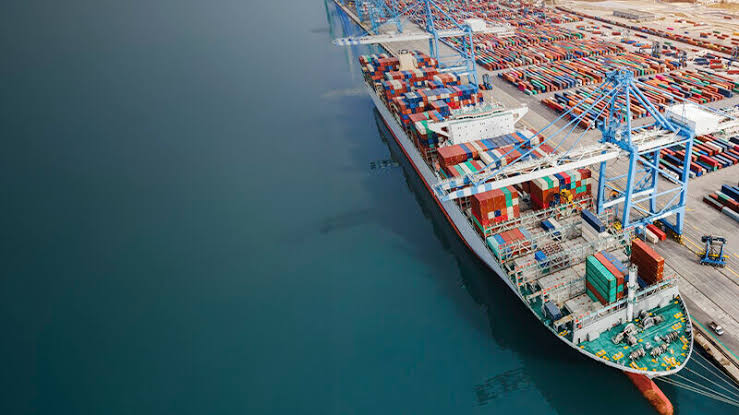
Felixstowe, Dover and Southampton continue to handle the largest volumes of UK container and roll-on/roll-off (RoRo) trade. The relative importance of different routes has shifted post-Brexit, with some goods flows rerouting through alternative EU ports to avoid UK–EU border friction.
Northern Ireland's position under the Windsor Framework means it operates under different customs rules for goods from Great Britain, creating a distinct trade corridor with unique compliance implications for GB–NI trade.
Looking Ahead
Key factors likely to shape UK trade flows in 2025 include:
- Progress on UK FTA negotiations (India, Gulf Cooperation Council, Canada)
- Implementation of the UK Border Target Operating Model and associated SPS checks
- CBAM phase-in and its impact on UK exports to the EU
- Global trade tensions and the impact of tariff and non-tariff measures in key markets
- Reshoring and nearshoring trends affecting supply chain geography
Conclusion
UK trade performance in 2024 reflects a sector navigating significant structural change. Businesses that invest in trade intelligence — monitoring evolving flows, tariff changes and regulatory developments — will be better positioned to identify commercial opportunities and manage emerging risks in their international supply chains.
UK trade statisticsimports and exportstrade trendscustoms complianceinternational tradeBrexit impacttrade partners