
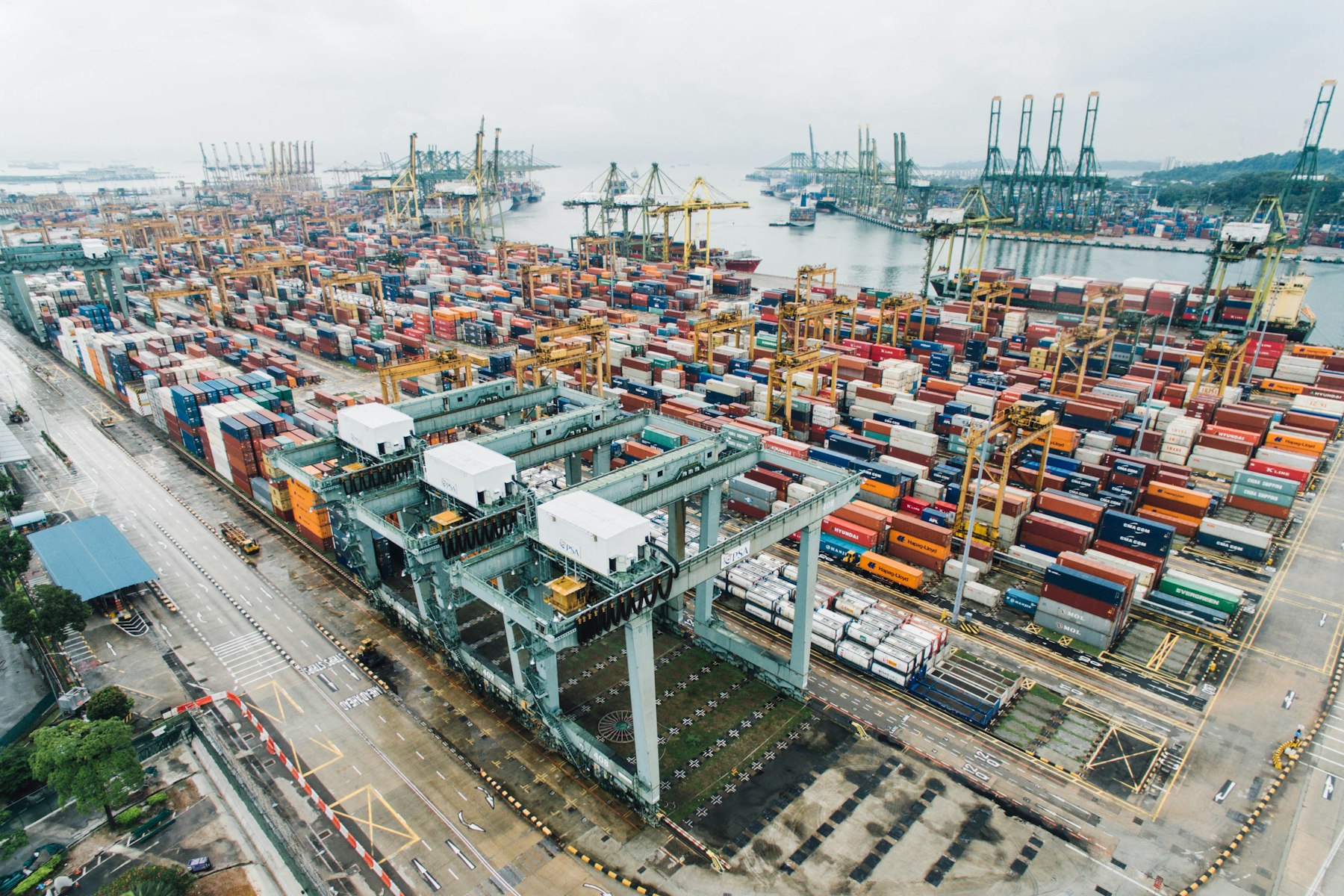
Since the end of the Brexit transition, customs declarations have become a routine — and unavoidable — part of UK–EU trade. HM Revenue & Customs (HMRC) now requires full import and export declarations for goods moving between Great Britain and the EU, and the systems used to manage them have shifted decisively toward digital filing. This transition represents a fundamental change in the administrative burden placed upon businesses, moving away from the frictionless movement of the Single Market toward a regime defined by technical compliance and data-driven oversight.
From CHIEF to the Customs Declaration Service
The Customs Declaration Service (CDS) is now the primary platform for submitting customs entries in the UK. The legacy CHIEF system has been retired for most use cases, meaning brokers and importers must file through CDS or approved software. Declarations can be submitted directly via the HMRC portal or through a customs broker using integration software.
The transition to CDS is not merely a change of interface but a shift in data structure. Unlike its predecessor, CDS requires importers and exporters to provide more granular information, including complex valuation data and precise customs procedure codes. Users must ensure that their EORI (Economic Operators Registration and Identification) number is correctly linked to their Government Gateway account to facilitate submission. The architecture of CDS is designed to interface more efficiently with automated risk-assessment engines, allowing HMRC to perform real-time monitoring of high-risk cargo while facilitating the movement of compliant goods.
Key Procedural Requirements in CDS
To ensure successful submissions, trade participants must focus on three core areas within the CDS environment:
- Declaration Data Sets: Users must map their trade data to the specific data elements required by the CDS Tariff. Failure to populate mandatory fields often results in immediate rejection of the declaration.
- Duty Deferment Accounts: Businesses are encouraged to maintain a Duty Deferment Account (DDA) to manage duty and VAT payments. This facilitates the consolidation of payments, reducing the cash flow burden per shipment.
- Software Integration: While the HMRC portal is suitable for low-volume filers, high-volume businesses typically utilize third-party software that integrates directly into the CDS API. This reduces manual entry errors and provides an audit trail for compliance verification.
GVMS and Post-Brexit Border Controls
The Goods Vehicle Movement Service (GVMS) underpins post-Brexit border arrangements for movements between Great Britain and Northern Ireland, and for imports where pre-lodgement is required. Hauliers generate a Goods Movement Reference (GMR) that links declarations to the physical movement, which is then checked at the port of departure.
The GMR is a digital document that acts as a container for all customs declaration references associated with a specific vehicle or consignment. Without a valid GMR, hauliers are typically denied boarding at the point of departure, leading to significant logistical disruption. The accuracy of the information linked to the GMR is the responsibility of the declarant; discrepancies between the declaration data and the physical manifest can trigger manual interventions at the border.
Operational Best Practices for GVMS
Maintaining border fluidity requires strict coordination between the customs declarant, the haulier, and the port authority. The following practices are advised:
- Advance Preparation: Ensure that all customs declarations are "arrived" or "pre-lodged" in the system before the GMR is created.
- Communication Loops: Establish a robust protocol for communicating the GMR reference number to the driver well before arrival at the port.
- Exception Handling: In the event of a "Do Not Proceed" notification within the GVMS dashboard, traders should immediately liaise with their customs broker to address outstanding compliance queries before re-attempting movement.
Compliance Pitfalls and Strategic Mitigation
For UK importers, the most common pitfalls are misclassified commodity codes, missing origin evidence, and incorrect incoterms leading to valuation errors. Using an HMRC-registered customs broker — ideally one operating within a standards-led network — substantially reduces the risk of delays and incorrect duty payments.
Mitigating Common Errors
1. Commodity Code Accuracy: The classification of goods under the Integrated Tariff of the United Kingdom determines the duty rate and any restrictive measures applicable to the import. Misclassification is the leading cause of post-clearance audits. Importers should document the rationale for their classification decisions and review these codes periodically, particularly when product specifications change.
2. Rules of Origin Compliance: To qualify for preferential tariff treatment under trade agreements, traders must hold valid proof of origin. This requires evidence that the goods meet specific "wholly obtained" or "sufficiently processed" criteria. Lack of documentation often results in the immediate application of standard tariff rates, nullifying any potential duty savings.
3. Valuation and Incoterms: Incoterms define the transfer of risk and the allocation of costs between buyer and seller. Confusion regarding these terms often leads to incorrect declarations of the "customs value." Importers must ensure that all elements of the price paid, including transport and insurance costs where applicable, are correctly reflected in the declaration. Failure to do so may lead to underpayment of duty and subsequent HMRC penalties.
The current UK customs environment is predicated on self-assessment and digital compliance. As HMRC continues to modernize its border strategy, the reliance on automated systems like CDS and GVMS will only increase. By standardizing internal processes and partnering with accredited customs intermediaries, businesses can navigate these complexities with greater certainty and reduced operational risk.