
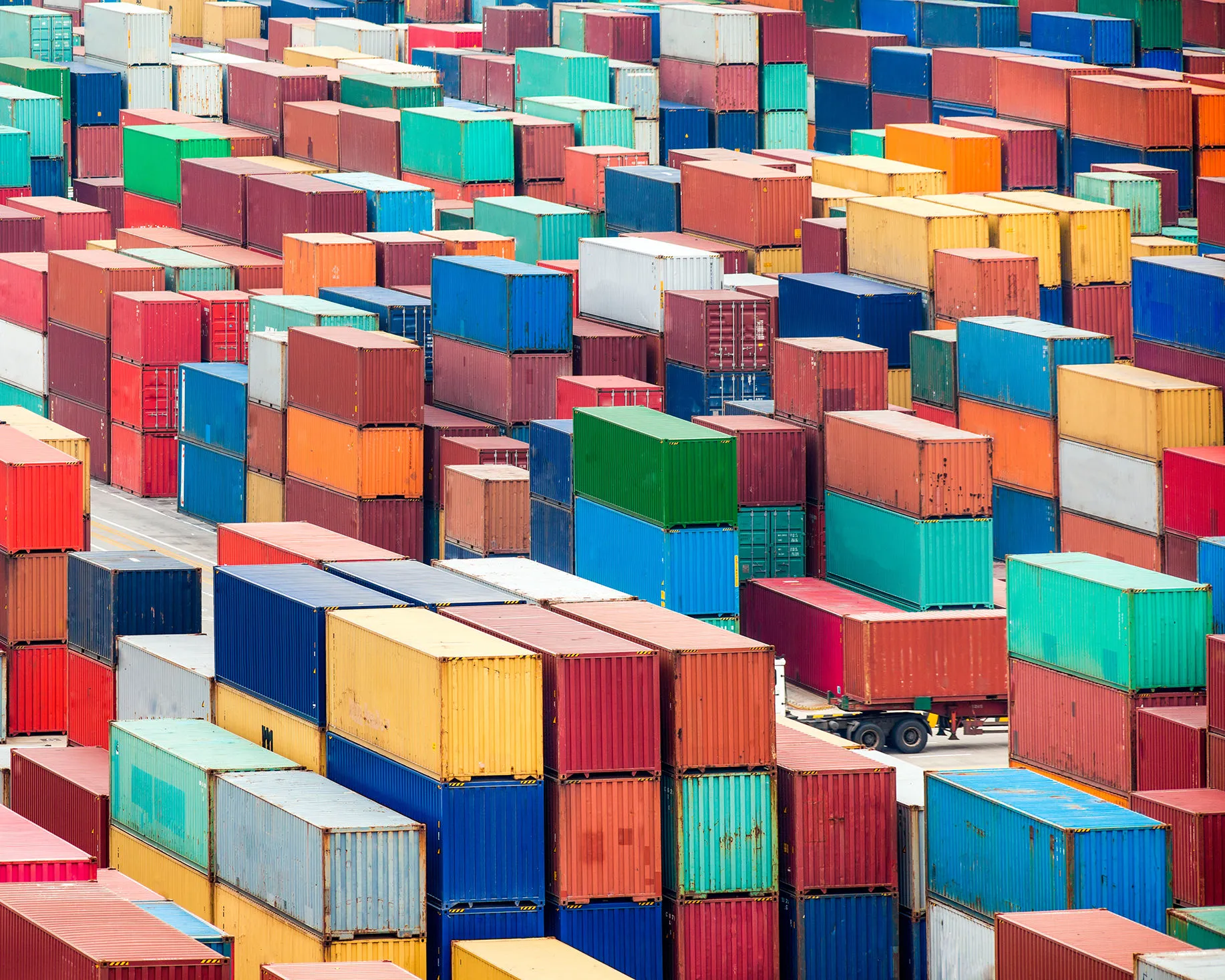
New Zealand operates one of the strictest biosecurity border regimes in the world, and importing into New Zealand means satisfying both the New Zealand Customs Service and the Ministry for Primary Industries (MPI). For importers, the two agencies' requirements must be managed together as part of a cohesive regulatory strategy. Navigating the intersection of fiscal border control and biological protection requires a meticulous approach to documentation, classification, and risk mitigation to ensure the seamless movement of goods across the border.
Customs Import Declarations
The foundation of a compliant import into New Zealand is the electronic declaration. Import declarations are lodged electronically through the Customs entry processing system. This digital interface serves as the primary gateway for assessing the duty and tax liability of imported consignments and ensuring regulatory compliance.
To ensure accuracy, declarations must capture several critical data points:
- Tariff Classification: The correct assignment of the Harmonized System (HS) code is mandatory to determine the appropriate duty rates and any applicable excise taxes.
- Customs Value: The transaction value must be accurately declared in accordance with the World Trade Organization (WTO) Valuation Agreement principles.
- Country of Origin: Accurate origin information is required to substantiate eligibility for preferential duty treatment.
- Preferential Claims: Importers must declare and be able to provide proof of origin for any preferential claim under New Zealand's free trade agreements.
While low-value goods below NZD 1,000 may qualify for simplified entry procedures, it is a common compliance error to assume that "simplified" implies an exemption from broader regulatory scrutiny. Even for these smaller consignments, biosecurity requirements apply regardless of value. Importers should exercise caution, as the burden of proof for the eligibility of simplified entry rests entirely with the declarant.
MPI Biosecurity Clearance
The Ministry for Primary Industries (MPI) is responsible for protecting New Zealand’s unique biodiversity and agricultural economy. Consequently, most goods — and all goods with potential biosecurity risk — require MPI clearance before release from the border.
The MPI framework functions on a risk-based assessment model. Imported goods may be subject to physical inspection, mandatory treatment, or documentation verification to ensure they meet specific import health standards (IHS). An IHS sets out the biosecurity requirements that must be met before goods can be imported into New Zealand. It is essential to identify the relevant standard for each commodity prior to the goods arriving at the border.
Commonly Identified Risk Goods
Importers should categorize their inventory to flag potential biosecurity hazards. Risk goods generally include, but are not limited to:
- Wooden Products: Raw timber, wooden furniture, and untreated wooden packaging (such as pallets and dunnage) must be compliant with international standards for phytosanitary measures.
- Used Machinery: Heavy equipment, agricultural vehicles, and used parts often carry soil or organic contaminants and require specialized cleaning and certification.
- Food and Plant Material: Processed and unprocessed food products, seeds, and biological samples face stringent scrutiny to prevent the introduction of pests or diseases.
Failure to meet MPI requirements is a significant commercial risk. If a consignment is found to be non-compliant, it may be subject to mandatory treatment (such as fumigation), forced reshipment to the country of origin, or total destruction of the goods. All of these interventions are conducted at the importer's cost, often incurring additional storage and demurrage fees during the resolution process.
Compliance Management and Operational Best Practices
For importers seeking to optimize their supply chain, the integration of Customs and MPI processes is paramount. Fragmented management of these two areas often leads to delays, increased inspection rates, and unnecessary costs.
Practical Priorities for New Zealand Importers
- Accurate Tariff Classification: Invest time in verifying the HS code. Incorrect classification can lead to underpayment of duty or the misapplication of biosecurity flags.
- Early Identification of Biosecurity Risk: Before placing an order, consult the relevant import health standards. If an item is classified as high-risk, determine the necessary documentation (such as phytosanitary certificates) well in advance of shipping.
- Complete Documentation: Ensure that the commercial invoice, packing list, and biosecurity certificates match the information lodged in the Customs entry processing system. Any discrepancy between the documentation and the physical goods can trigger a manual hold.
Using a customs broker experienced in both Customs and MPI processes — ideally within a standards-led trade network — reduces the risk of clearance delays and costly biosecurity holds. A professional broker acts as a vital intermediary, ensuring that the electronic declarations are perfectly aligned with the biological requirements imposed by the MPI. By maintaining a proactive stance on compliance, importers can leverage the efficiency of New Zealand’s digital border systems while minimizing their exposure to punitive regulatory actions.
In summary, successful trade into New Zealand relies on the importer’s ability to view Customs and MPI requirements not as separate hurdles, but as a single, unified compliance obligation. Consistent adherence to established procedures, supported by comprehensive documentation and expert oversight, remains the most effective strategy for maintaining a seamless and compliant import operation.